Proper fueling is a key component to being a healthy and strong runner. Whether you’re a student-athlete or lacing up your shoes for your first 5k or marathon, nutrition plays an important role in an individual’s running performance, recovery, and health.
Here are some fueling basics for runners of all levels.
Fueling Before a Run
Fueling and hydrating before a run look different for each individual. The approach to pre-run fueling also varies depending on the time of day, duration, and intensity of the run.
A common mistake made by early morning runners is to get up and run without fueling at all. This can negatively impact performance and recovery, because we’re often dehydrated upon waking up. This makes your pre-run hydration plan key for morning runs. Aim for at least five to 10 ounces of fluid before you hit the pavement and up to 16-17 ounces if you have more time.
The timing of your pre-run fuel matters too. If you’ll be heading out the door in 30-60 minutes, focus on easy to digest carbs with minimal fiber, fat, and protein. Some examples include sports drinks, sports chews, or toast with jelly. If you have an hour or more before your run, try this Peanut Butter Smoothie that pulls double duty as fuel and fluid.
If you have more time or up to two to three hours, choose a meal with carbs and a moderate amount of protein. Here are a few examples:
- Oatmeal made with milk topped with banana slices and honey
- Turkey sandwich with a slice of cheese and side of grapes
- Bowl of cereal with milk and berries
- Scrambled eggs with shredded cheddar and 2 slices of toast with jelly
Practicing your pre-run meals and snacks in training is important to find out what works best for you.
Fueling During a Run
Much like eating before you run, fueling during runs is unique to everyone. Certain factors such as duration and intensity of the run, environmental conditions, size and sweat rate of the athlete will impact fueling recommendations. These general guidelines can help runners get started on improving their fueling.
In general, additional fuel is not needed for runs clocking in at 60 minutes or less. It is still very important to go into these runs well-fueled. When running for 60 minutes or more, pack easily digested carbs, fluids, and electrolytes to consume during the run to keep your energy and hydration levels up. Try sports drinks, chews, bananas, or pretzels.
If you are just starting to add fuel to your runs start with small quantities and test out different types of fuel to find what works best for you. This is especially important if you’re concerned about experiencing gastrointestinal distress. The gut needs to be trained to take fuel during a run, so practice often during training to ensure success on race day.
Fueling After a Run
The goal of post-run fueling is to replenish glycogen, the stored form of carbohydrate found in our muscles and liver, and to repair the muscles with protein while rehydrating with fluids and electrolytes. These components are necessary to promote recovery post-run.
A few post-run snack ideas include:
- Cottage Cheese + berries + slice of whole grain toast
- Chocolate milk
- Greek yogurt + granola + banana
- Tuna + whole grain crackers + orange
Post-workout fueling is easy to neglect with a busy schedule, so planning a couple of snacks ahead of time is a great way to make sure you’re refueling and ready to take on your day.
Fueling Throughout the Day
Fueling before, during, and after your runs is key to being a healthy runner, but if meals and snacks throughout the day are neglected, there can be negative outcomes to an individual’s performance, recovery, and health.
Eating regularly throughout the day will fuel your body with both the macronutrients and micronutrients it needs to be healthy and strong. While how much an individual needs varies based on a number of factors, focusing on eating regular meals and snacks is an easy place to start being well-fueled.
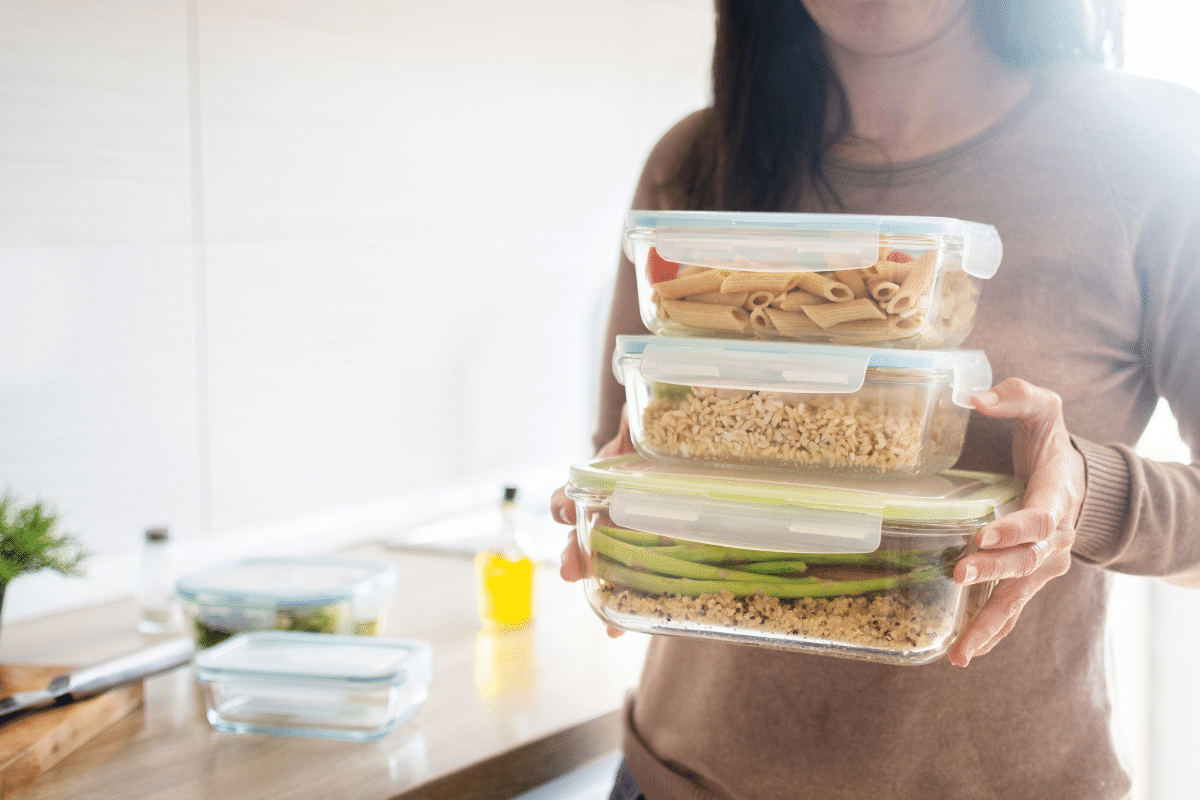
Planning meals for the week is a regular practice for many, but planning snacks is often forgotten. This tends to lead to long stretches without eating which equals missed opportunities for fueling up to be a stronger runner.
Not sure how to plan your snacks? Start with the basics, aim to have a carb, protein, and color (fruit or vegetable). Here are some examples of how to plan to pair your snacks:
- Banana + peanut butter on a rice cake
- Two cheese sticks + Apple + handful of almonds
- Slice of whole grain bread + ½ avocado + ½ cup cottage cheese
- Yogurt parfait
If you’re struggling to get enough snacks in, start simple. Pick a few snacks that feel easy to put together and that are satisfying.
No matter what level of runner you are, the small actions around fueling, and nutrition done consistently can make all the difference in your running and energy.