When Mike Shultz goes camping with his family, he doesn’t travel far from home. In fact, from their campsite across the Susquehanna River, he can look back and see the land his family has farmed for generations.
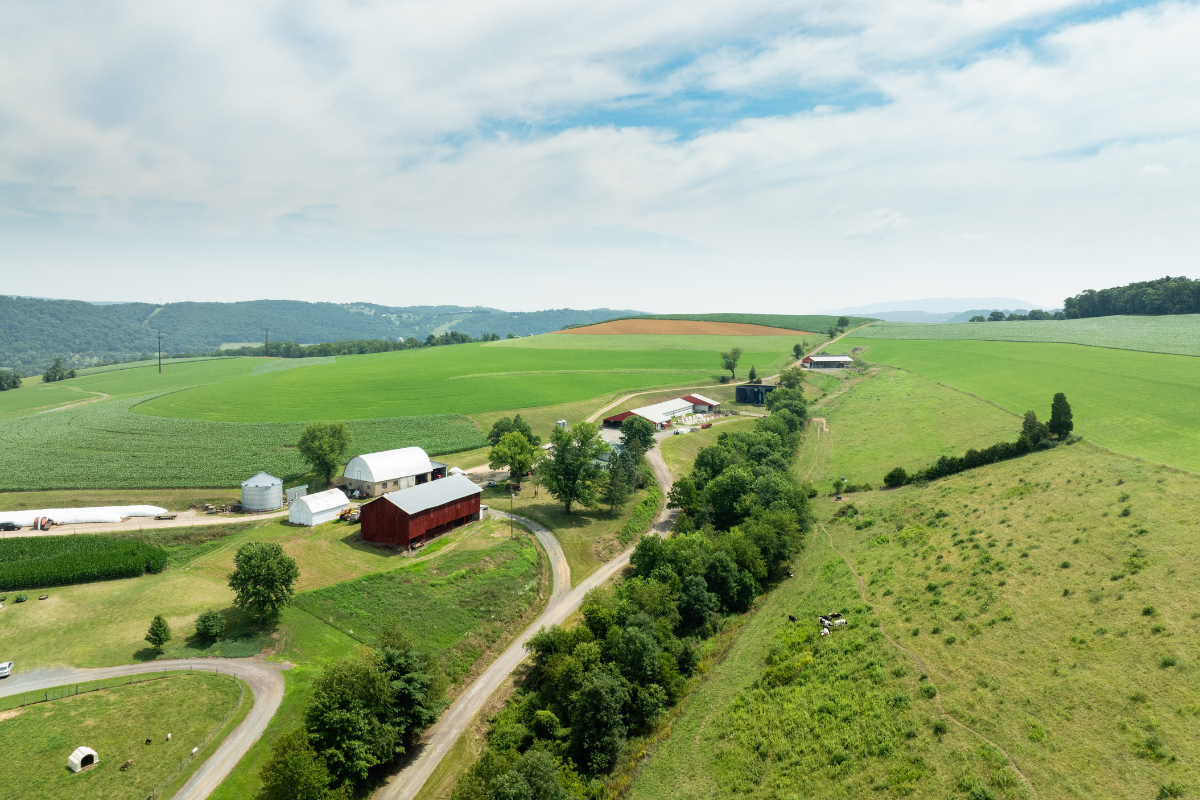
That connection to the land is personal for Mike, a fourth-generation dairy farmer and owner of Shultz Hillside Farms in Danville, Pennsylvania. Alongside his father, uncles, cousin, wife and son, he helps care for about 80 dairy cows and 450 acres of farmland.
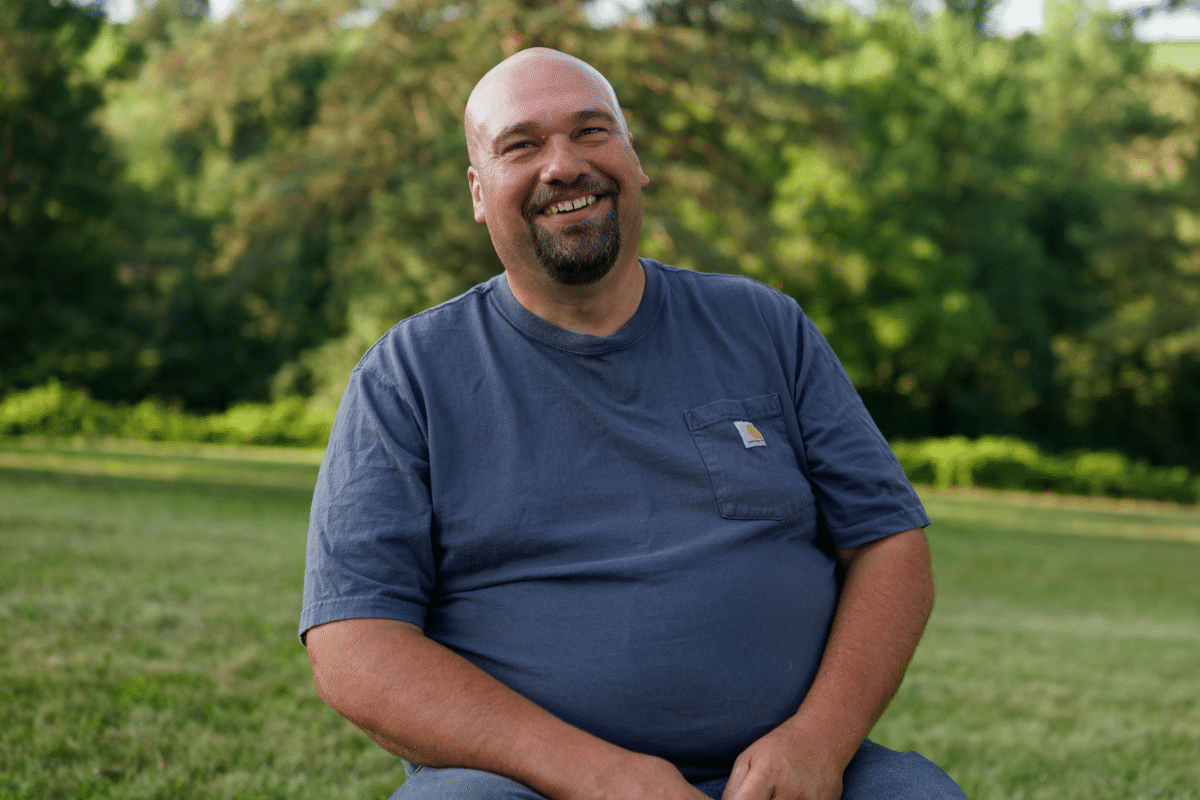
Mike says sustainable farming means leaving the farm in as good a condition as it was when he started, if not better. For him, caring for the environment is more than a responsibility. It’s a family tradition. That commitment has also brought Mike together with conservation partners to make improvements on the farm and protect nearby waterways.
A Legacy of Caring for the Land
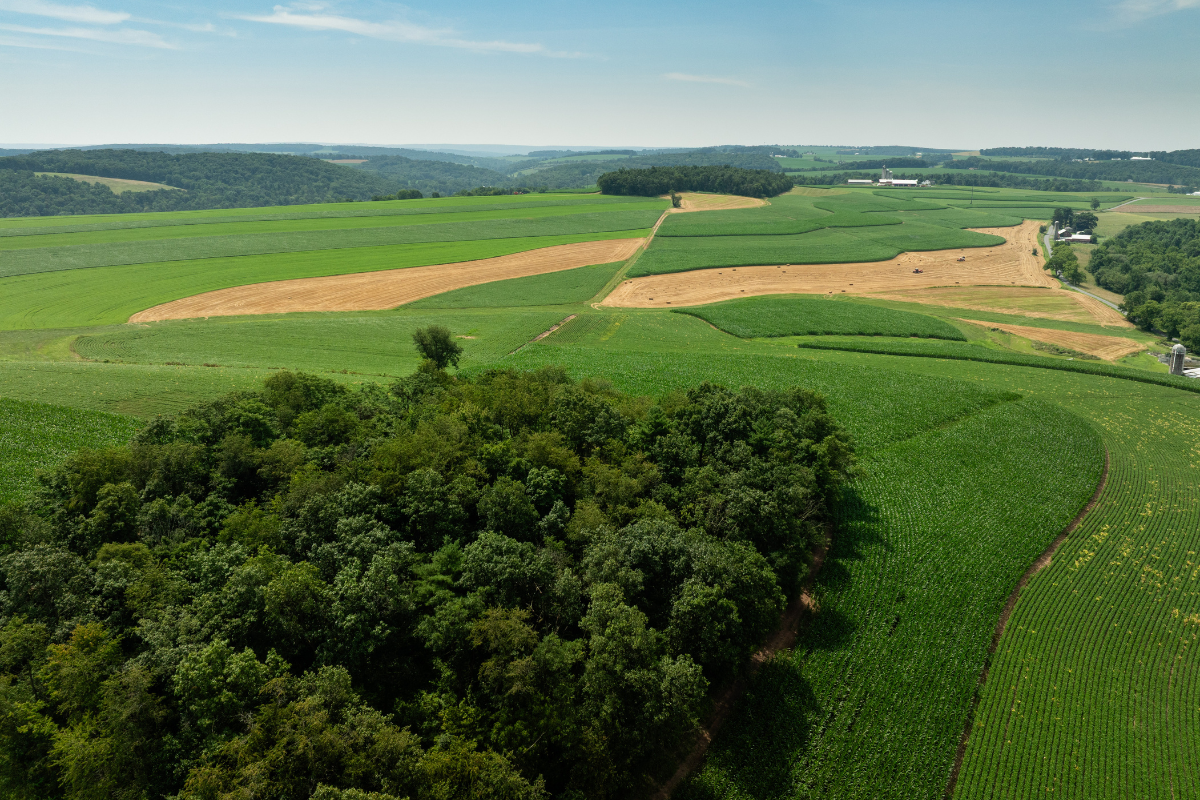
Mike’s grandfather was among the first farmers in the area to plant corn without plowing the soil. Growing up, Mike watched his father and uncles make improvements that helped keep soil in place and protect the Susquehanna River.
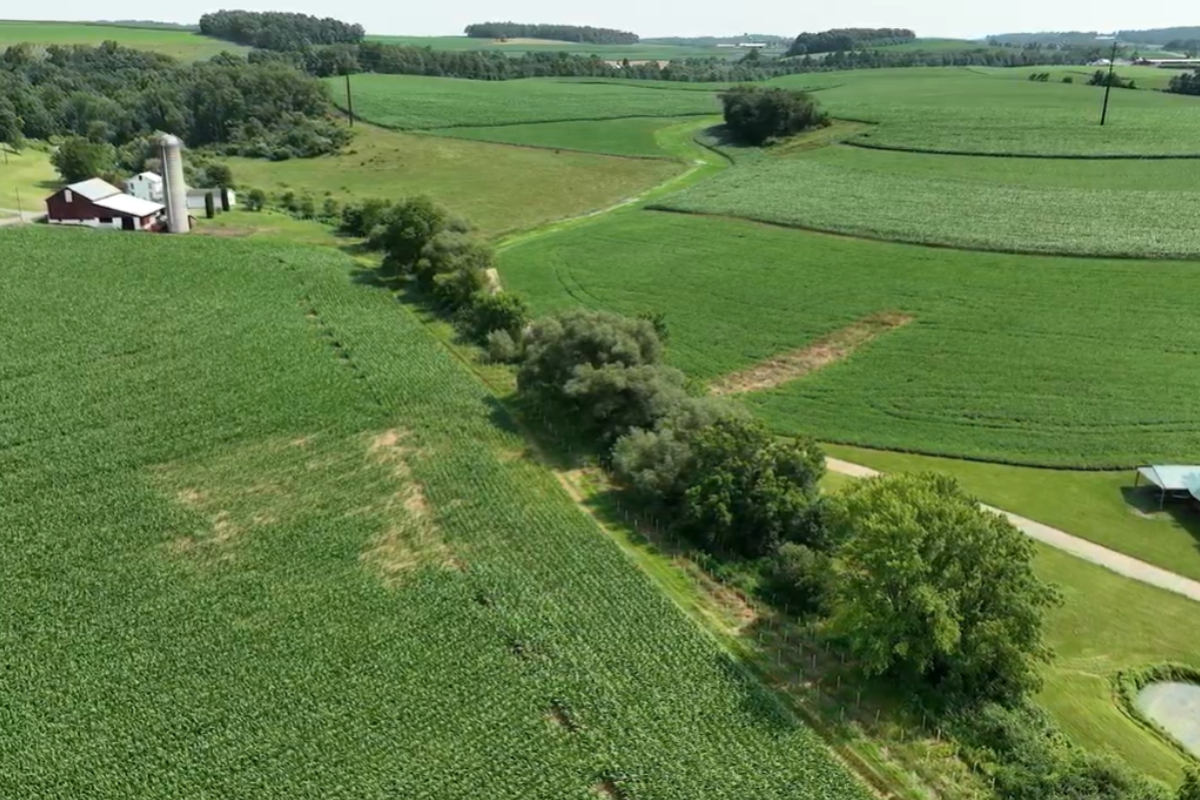
Today, he’s continuing that work by planting cover crops after the main crops are harvested. Rather than leaving fields bare, these plants keep living roots in the ground, helping rainwater soak into the soil, reduce soil erosion and support healthy growing conditions for future crops.
“Of the conservation practices that we’ve done here on the farm, I think the one that we’ve seen the most impact on is our incorporation of cover crops,” Mike says.
Better Care for Cows, Better Days for Caretakers
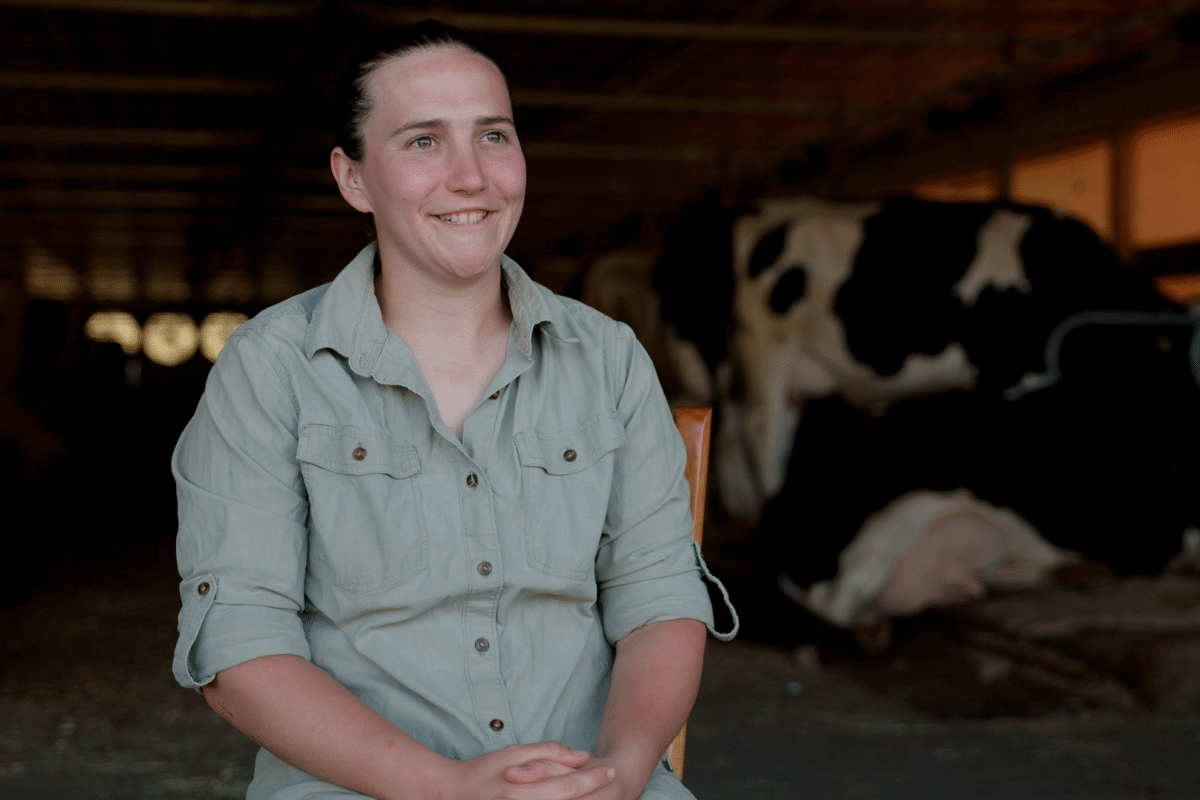
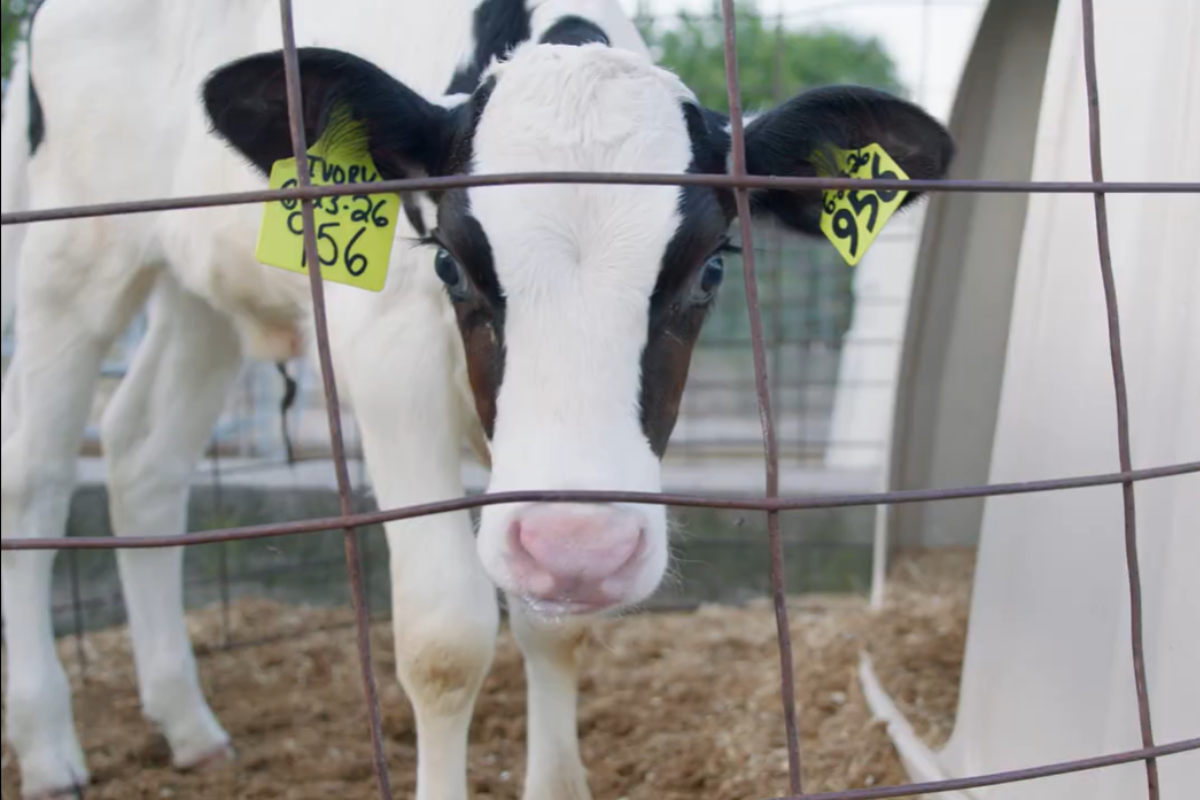
Producing quality milk starts with caring for the cows. For Carrie Shuman, herdsman at Shultz Hillside Farms, that means paying attention to the little things every day. Her responsibilities include milking, feeding calves and monitoring the animals’ health.
“I’m the eyes on the cows on a daily basis,” Carrie says.
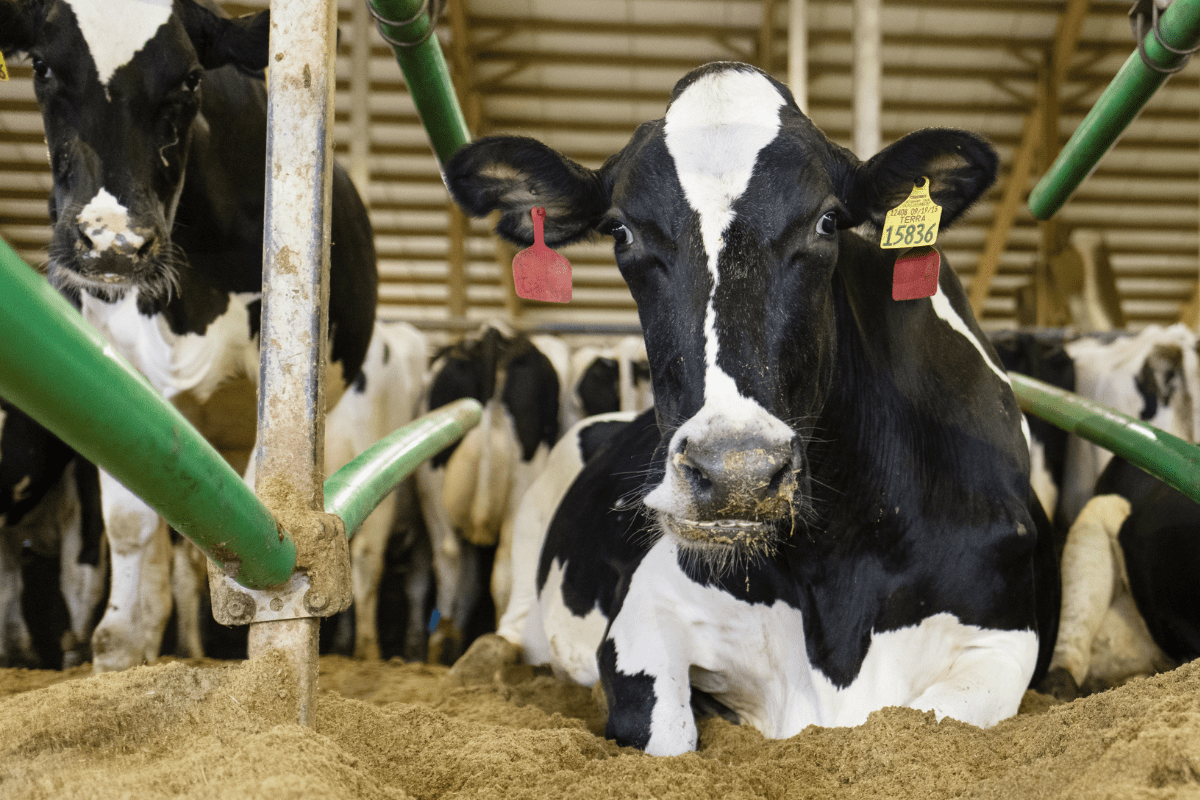
That firsthand experience gives Carrie a unique perspective on the farm’s newest improvement: a barn designed for dry cows, or dairy cows taking a break from milking before giving birth to their next calves.
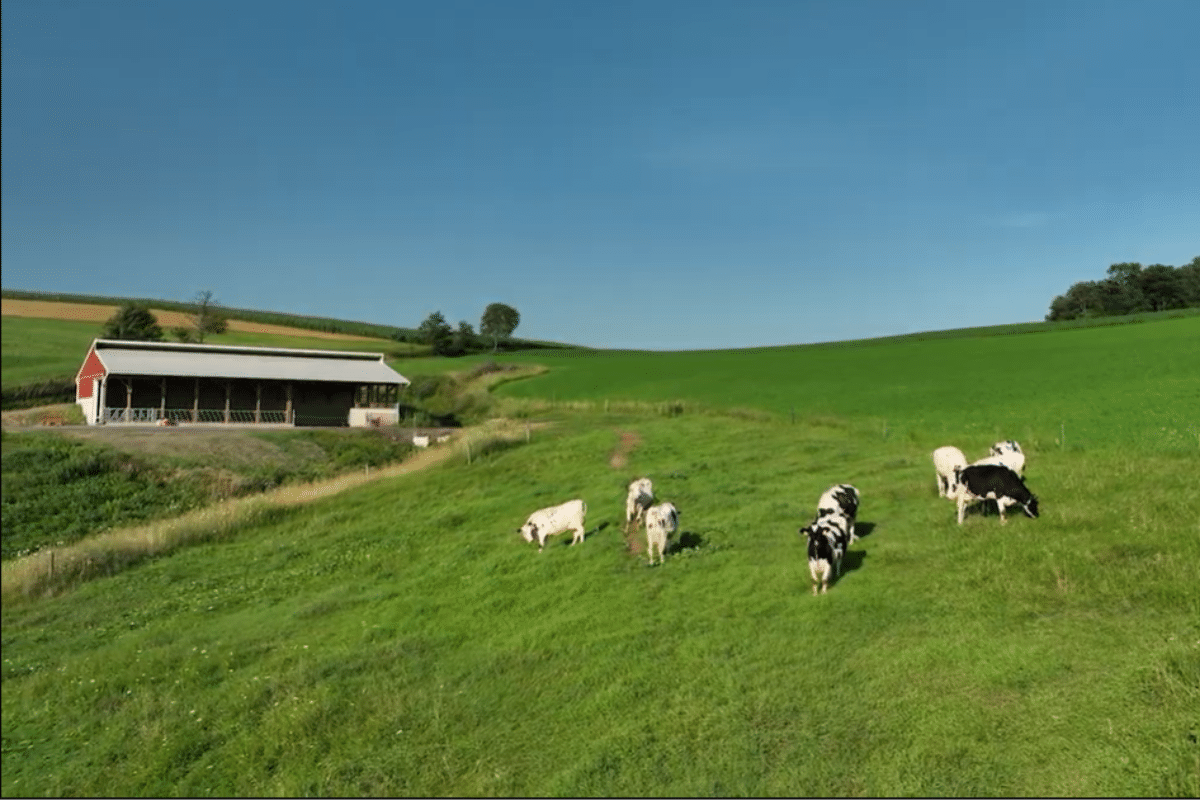
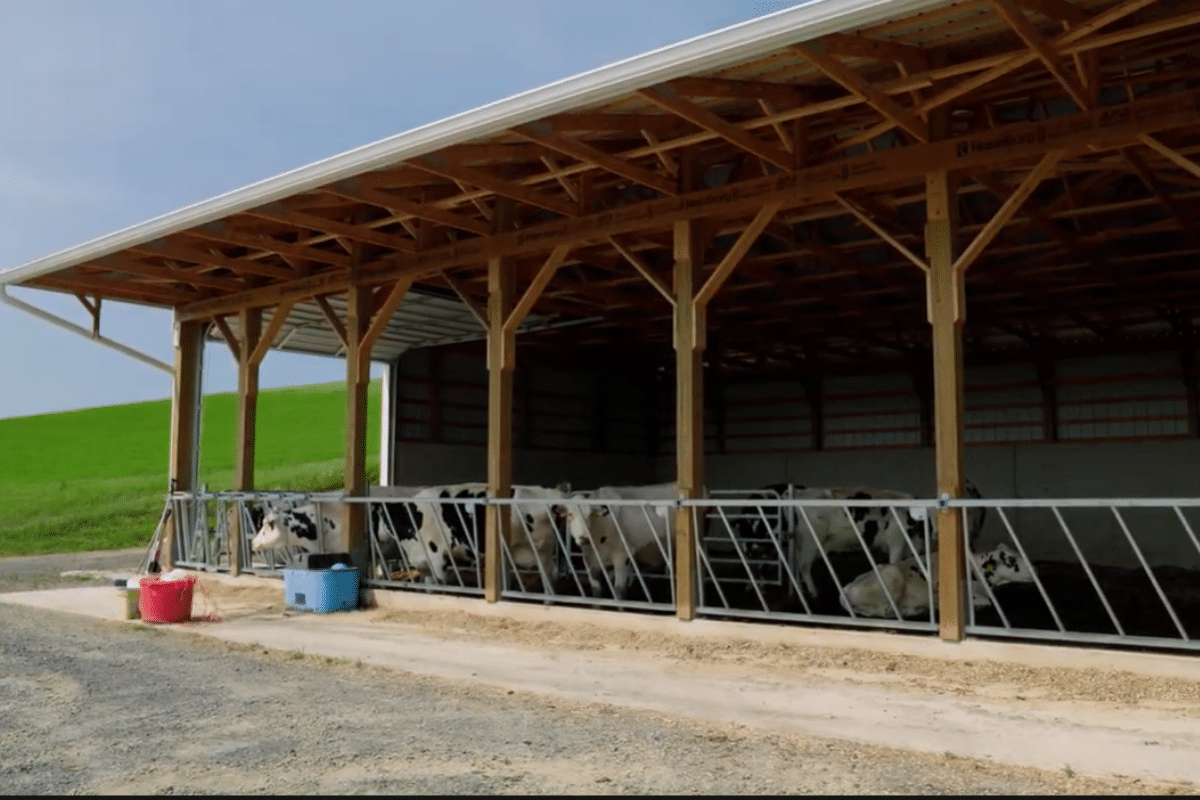
The new facility offers more room, better ventilation and cleaner, more comfortable resting areas. It also makes feeding and providing fresh water easier.
Carrie appreciates the practical improvements, too. When a cow needs individual attention, she can now move her into a separate area without needing another person to help. That’s a meaningful change in a job where every day brings different responsibilities.
“The new dry cow barn helps me be more efficient in caring for the dry cows when they are not in the milking barn,” Carrie says.
For Mike, the improved barn has also made work easier for his father, who can now deliver feed using a small, mechanized loader rather than shoveling it by hand.
Making a Difference Beyond the Farm
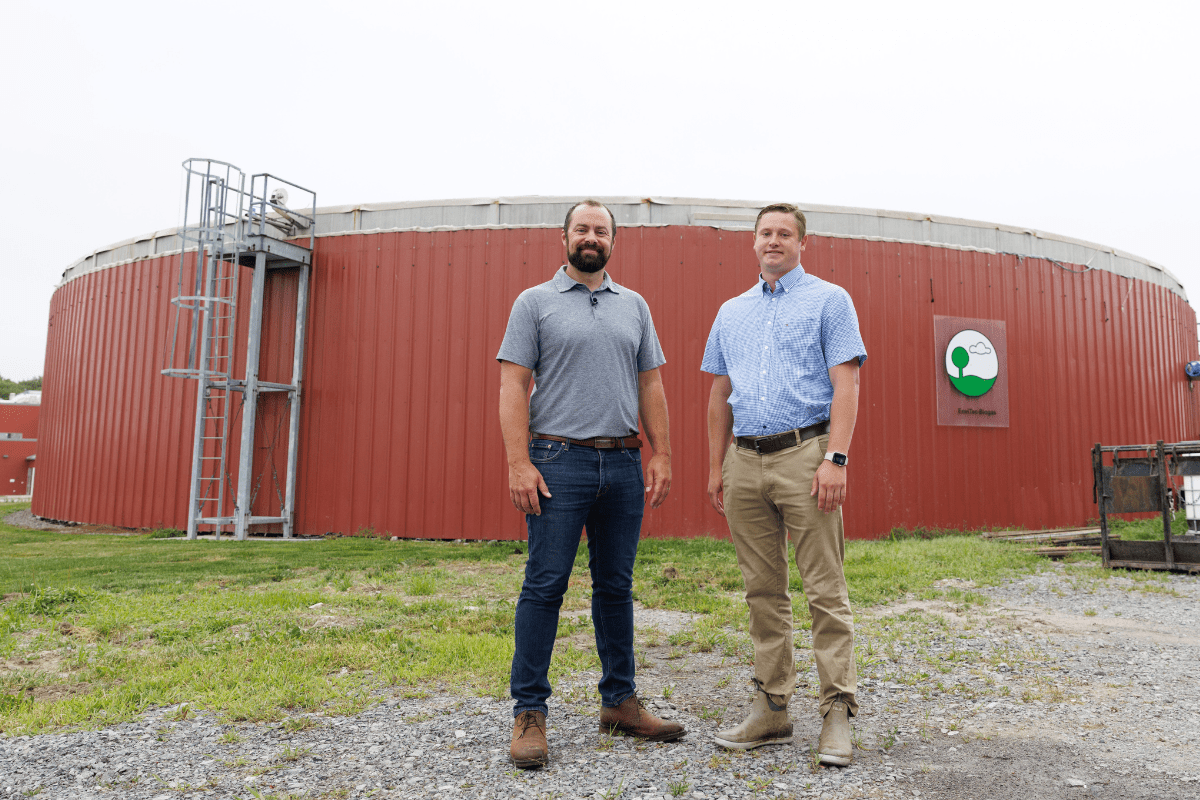
The new barn also supports the farm’s environmental goals. Manure from the dairy cows can be collected and stored until the right time to apply it to the fields, where its nutrients can support future crop growth.
Shultz Hillside Farms worked with Maola Local Dairies™, the Alliance for the Chesapeake Bay, Sustainable Chesapeake and conservation funding partners, including the Natural Resources Conservation Service and the National Fish and Wildlife Foundation. Together, they helped make the new barn possible and expanded tree plantings along a nearby creek. As those trees grow, they’ll help protect water quality and provide shade for fish and other aquatic life.
Mike also shares his passion for conservation with the next generation. As an agriculture teacher at Danville High School, he brings classroom lessons to life through experiences on the farm.
During a recent visit, students worked with the Montour County Conservation District to examine stream water quality. They discovered insects that indicate healthy water conditions.
For Mike, that was “a tangible sign that we’re doing the right things here on the farm.”
He’s already considering what’s next, including replacing some regularly mowed areas with plants that support bees and other pollinators.
And when Mike returns to that campsite across the Susquehanna, the view offers another reminder of why it all matters. The farm, the river and the family that calls this place home are closely connected.
“This is our place. This is our land. These are our people,” Mike says.